June 2026 Social Media Trends Roundup: What Went Viral
SchedulifyX Team · July 6, 2026
Discover the biggest viral trends of June 2026 in our monthly social media recap. Learn what went viral this month and how marketers can leverage these shifts.
Welcome to our comprehensive social media trends roundup for June 2026. As we cross the midpoint of the year, the digital landscape is evolving at a breakneck pace. From algorithm overhauls and generative AI integrations to bizarre meme formats and shifting cultural aesthetics, keeping your finger on the pulse of trending social media has never been more critical for brand survival. In the fast-paced world of digital marketing, what worked in May might already be obsolete by July.
This month, we witnessed a fascinating dichotomy: a surge in hyper-advanced AI content creation tools juxtaposed against a massive user demand for authentic, low-fi, and nostalgic content. Users are becoming incredibly savvy, able to spot inauthentic brand messaging from a mile away. To succeed, marketers must understand not just what went viral this month, but the underlying psychological and cultural drivers behind these viral moments.
In this comprehensive monthly social media recap, we are breaking down everything you need to know. We will explore the major platform updates that changed the rules of engagement, dissect the viral trends June 2026 had to offer, analyze the meme formats that dominated our feeds, and uncover the cultural phenomena that captured the world's attention. More importantly, we will provide actionable insights on how you can apply these learnings to your own strategy using SchedulifyX.
The Biggest Platform Updates of June 2026
Before we dive into the specific content that went viral, we must first look at the infrastructure that allowed it to spread. The major social networks rolled out several significant updates in June 2026, fundamentally altering how content is distributed and consumed. Understanding these platform shifts is the first step in mastering any social media trends roundup.
TikTok's "Hyper-Local" Algorithm Shift
TikTok has always been known for its eerily accurate For You Page (FYP), but June saw a massive update to its recommendation engine. TikTok introduced the "Hyper-Local" algorithm update, which heavily prioritizes content created within a 50-mile radius of the user, provided it meets certain engagement thresholds. This shift was designed to bridge the gap between digital entertainment and real-world community building.
- The Impact: Local businesses, restaurants, and regional influencers saw a massive spike in localized impressions. National and global brands, however, experienced a slight dip in broad reach, forcing them to adopt a more localized, franchise-level content strategy.
- Actionable Tip: If you are managing a brand with physical locations, ensure you are utilizing TikTok's location tagging features. Create content specific to those regions. For digital-only brands, leaning into regional humor or partnering with local micro-influencers can help you hack this new algorithmic preference.
Instagram's Native Generative AI Backgrounds for Reels
Meta continued its aggressive push into artificial intelligence this month. Instagram rolled out a highly anticipated feature allowing creators to generate dynamic, moving AI backgrounds for their Reels simply by typing a text prompt. This eliminated the need for green screens and third-party editing software for many creators.
This feature drastically lowered the barrier to entry for high-quality, visually engaging video content. We saw a flood of creators placing themselves in surreal, hyper-realistic, or fantastical environments. However, it also led to a wave of "AI fatigue" among some user segments, which we will discuss later in this monthly social media recap.
LinkedIn's "Collaborative Articles 2.0"
LinkedIn has been quietly transforming from a digital resume platform into a robust creator economy hub. In June, they launched "Collaborative Articles 2.0." Building on their previous AI-prompted articles, this new iteration allows verified industry experts to co-author long-form multimedia posts natively within the platform, complete with embedded video, interactive polls, and real-time Q&A sections.
"The future of B2B social media is collaborative. Brands that speak *at* their audience will lose to brands that speak *with* their audience and co-create value." - Industry Analyst, June 2026
X (Formerly Twitter) Pivots Harder to Long-Form Video
X continued its evolution into an "everything app" by overhauling its video player interface, making it closely resemble a hybrid of YouTube and TikTok. They introduced enhanced monetization for videos over 10 minutes long, prompting a mass migration of podcast clips, mini-documentaries, and extended vlogs to the platform. For marketers, this means X is no longer just a text-based conversational platform; it is a primary destination for video consumption.
Viral Trends June 2026: What Dominated Our Feeds
When analyzing viral trends June 2026, one thing became abundantly clear: users are craving sensory experiences and raw authenticity. The highly polished, heavily filtered aesthetic of the early 2020s is officially dead. Here is a deep dive into the specific trends that defined trending social media this month.
The "Silent Review" Trend
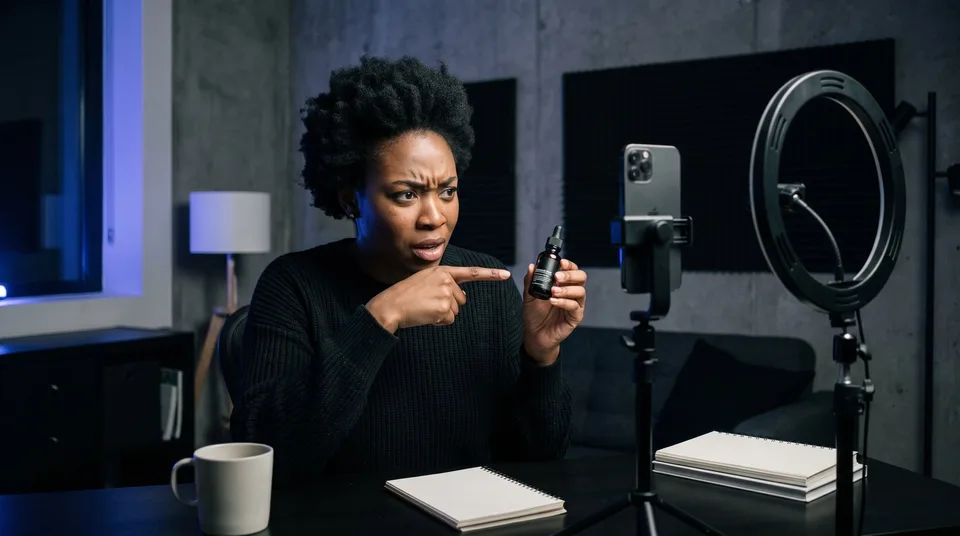
Perhaps the most unexpected trend to emerge this month was the "Silent Review." Originating on TikTok and quickly spreading to Instagram Reels and YouTube Shorts, this trend involves creators reviewing products—ranging from beauty items to tech gadgets and even books—without speaking a single word. Instead, they use exaggerated facial expressions, ASMR-style tapping, aggressive pointing, and text overlays to convey their opinions.
Why it went viral: In an ecosystem saturated with fast-talking, high-energy creators yelling into their microphones to retain retention, the Silent Review offered a jarring, highly engaging pattern interrupt. The lack of audio forced viewers to pay closer attention to the visual cues and read the text, inadvertently boosting watch time and completion rates—two metrics the algorithm loves.
How brands can use it: This is an incredibly easy trend for brands to adapt. Have your social media manager or a brand mascot perform a "Silent Review" of your own product line, or playfully "silently review" common industry pain points that your product solves.
The "Micro-Vlog" Resurgence
While long-form video is growing on platforms like X and YouTube, short-form platforms saw the rise of the "Micro-Vlog." These are 15-to-30-second rapid-fire montages of a person's day, edited to upbeat, trending audio. The catch? They are entirely unpolished. No ring lights, no scripted voiceovers, just raw snippets of mundane activities: making coffee, commuting, staring at a spreadsheet, walking the dog.
Why it went viral: As AI-generated content becomes more prevalent and indistinguishable from reality, users are seeking out hyper-human, relatable content. The mundane has become a premium commodity. It signals to the viewer, "I am a real person, living a real life, just like you."
How brands can use it: Ditch the high-production studio shoots for your behind-the-scenes content. Show the messy desk of your lead developer, the chaotic energy of the packing warehouse, or the mundane reality of a marketing meeting. Authenticity builds trust, and trust drives conversions.
AI-Generated Nostalgia (The "POV: 2010s" Trend)
Nostalgia is a powerful marketing tool, but in June 2026, it took a bizarre, AI-fueled twist. Creators began using advanced AI image and video generators to create hyper-specific, slightly surreal recreations of the early 2010s internet culture. Think AI-generated videos of people doing the "Harlem Shake" in spacesuits, or hyper-realistic renderings of old Tumblr aesthetics.
This trend tapped into the collective memory of Millennials and older Gen Z users, blending the comfort of the past with the cutting-edge technology of the present. It was a fascinating case study in how AI can be used not just to create the future, but to remix the past.
Meme Formats That Won the Internet
No social media trends roundup would be complete without an analysis of the meme economy. Memes are the universal language of the internet, and understanding them is crucial for brands that want to participate in cultural conversations without coming across as out-of-touch. Here is what went viral this month in the world of memes.
The "Corporate Villain" Character
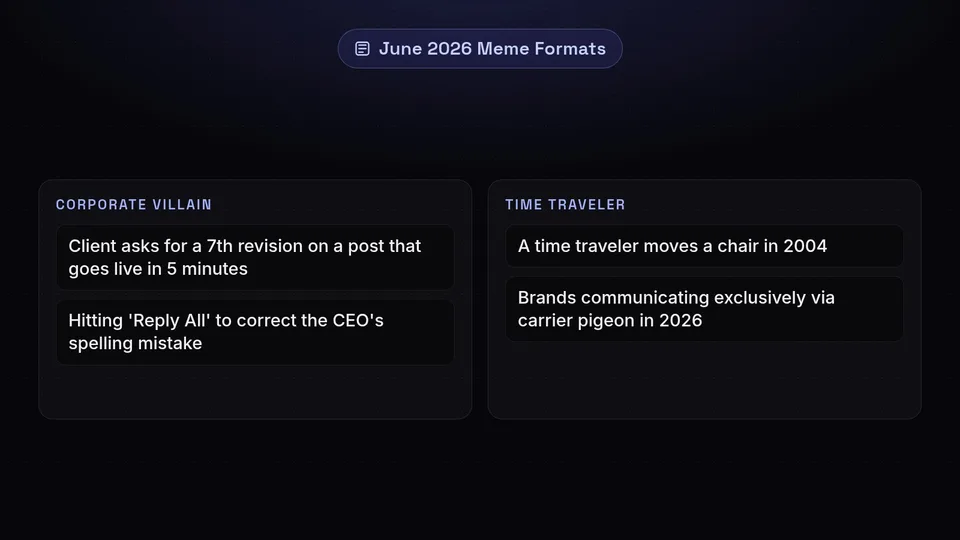
The "Corporate Villain" meme format took corporate TikTok and LinkedIn by storm. It features creators lip-syncing to dramatic, cinematic villain audio tracks (often from superhero movies or anime) while overlaying text about incredibly mundane corporate actions.
- Example: A dramatic shot of a social media manager staring out a window with the audio of a supervillain monologue, accompanied by the text: "Me, watching the client ask for a 7th revision on a post that goes live in 5 minutes."
- Example: An HR representative walking in slow motion to a heavy bass drop, with the text: "Me, getting ready to hit 'Reply All' to correct the CEO's spelling mistake."
The Takeaway: Corporate humor continues to be a massive engagement driver. People use social media to decompress from work, and shared professional trauma is a highly relatable touchpoint. Brands (especially B2B companies) should lean into self-deprecating corporate humor to humanize their image.
The "Time Traveler's Minor Inconvenience"
This text-and-image format dominated X (Twitter) and Threads. The premise is simple: a hypothetical time traveler goes back in time, changes one tiny, insignificant detail, and the meme shows the butterfly effect it has on the present day.
For instance, "A time traveler moves a chair in 2004," followed by an image of a wildly alternate reality, such as "Brands communicating exclusively via carrier pigeon in 2026." It is absurd, highly customizable, and easy for brands to adapt to their specific niches.
The "Accidental Renaissance" Filter
With the rise of new AR filters on Snapchat and Instagram, the "Accidental Renaissance" filter went viral. This filter takes any mundane video or photo and instantly applies a dramatic, chiaroscuro lighting effect and oil-painting texture, making it look like a 16th-century masterpiece.
Users applied it to everything from their pets sleeping in weird positions to chaotic moments at the grocery store. Brands quickly jumped on board, applying the filter to their products or chaotic office moments. It was a prime example of how a simple visual tool can spark a massive, platform-agnostic trend.
Cultural Phenomena: What Went Viral This Month
Beyond algorithms and memes, social media is shaped by real-world cultural events. To truly understand trending social media, we must look at the broader cultural context. Here are the major phenomena that drove conversation in our monthly social media recap.
The "Slow Living" Backlash Against AI Fatigue
As mentioned earlier in this social media trends roundup, June 2026 saw a tipping point in "AI fatigue." With feeds flooded with synthetic voices, generated avatars, and perfectly optimized copy, a significant counter-culture movement gained immense traction: The "Slow Living" aesthetic.
This movement champions offline hobbies, analog technology, and deliberate disconnection. Hashtags like #AnalogWeekend, #DigitalDetox, and #SlowJune garnered billions of views. Creators posted long-form, quiet videos of themselves reading physical books, gardening, or shooting on 35mm film.
What it means for marketers: You cannot combat AI fatigue with more AI. While artificial intelligence is an incredible tool for efficiency (like using SchedulifyX to manage your calendar), the *content* you produce must retain a human soul. Brands that highlight their human employees, their physical manufacturing processes, and their real-world community impact will win the trust of consumers exhausted by synthetic media.
The Summer 2026 Global Sports Build-Up
With major global sporting events slated for later in the summer, June was dominated by athlete-driven content and brand sponsorships. However, the nature of sports marketing on social media has changed. Fans are no longer satisfied with highly produced Nike or Adidas commercials; they want the gritty, behind-the-scenes reality of an athlete's training camp.
We saw a massive spike in "Day in the Life" content from Olympic hopefuls, focusing on their grueling diets, their mental health struggles, and their recovery routines. Brands that sponsored these athletes and allowed them to tell their raw, unfiltered stories saw significantly higher engagement than those that forced athletes into scripted, polished campaigns.
What Marketers Can Learn From This Monthly Social Media Recap
Information is useless without application. Now that we have explored the viral trends June 2026 had to offer, how can you integrate these insights into your overarching digital strategy? Here are the critical takeaways from this monthly social media recap.
1. Agility Over Perfection
The lifespan of a social media trend is shrinking. In 2020, a trend might last a month; in June 2026, a trend like the "Silent Review" peaks and valleys within 7 to 10 days. If your brand requires a two-week approval process involving legal, PR, and the CMO just to post a TikTok, you will miss every single cultural moment.
Action Step: Empower your social media managers. Create a "fast-track" approval process for trend-reactive content. Establish brand guardrails ahead of time so that the social team knows exactly how far they can push the envelope without needing executive sign-off for every post.
2. Community-Led Growth is Non-Negotiable
With TikTok's shift to hyper-local content and LinkedIn's focus on collaborative articles, the platforms are telling us exactly what they want: community interaction. Broadcasting your message into the void is no longer a viable strategy. You must build a community around your brand.
Action Step: Shift your KPIs from purely reach and impressions to conversational metrics. How many comments are you getting? Are users saving and sharing your posts? Are they remixing your content? Engage with your audience in the comments section—not just with corporate platitudes, but with genuine, human conversation.
3. Embrace AI for Workflow, Not for Soul
The rise of the "Slow Living" movement and the backlash against AI fatigue should serve as a massive warning sign for marketers. Do not use AI to replace your brand's voice, creativity, or human connection. Consumers are too smart, and they will punish brands that come across as synthetic.
Action Step: Use AI where it belongs: in the backend. Use it for data analysis, for generating content ideas, for optimizing your posting times, and for managing your calendar. This frees up your human creators to do what they do best: create authentic, emotionally resonant content.
4. Lo-Fi is the New High-End
The success of the "Micro-Vlog" proves that you do not need a RED camera and a full production crew to go viral. In fact, highly polished content often triggers a user's "ad blindness," causing them to scroll past immediately. Raw, smartphone-shot content feels native to the platform and builds immediate trust.
Action Step: Reallocate a portion of your high-production budget into creator partnerships or user-generated content (UGC). Equip your team with good smartphones and basic audio gear, and let them document the real, unfiltered reality of your brand.
5. Nostalgia is a Cheat Code for Engagement
The AI-generated 2010s trend showed us that nostalgia remains one of the most potent emotional triggers in marketing. It bypasses logical objections and taps directly into a user's sense of comfort and longing for simpler times.
Action Step: Look at the demographics of your target audience. What were they doing 10, 15, or 20 years ago? Find ways to weave the aesthetics, the music, or the cultural touchstones of that era into your modern campaigns. A well-placed retro reference can instantly endear your brand to a massive demographic.
Conclusion: Staying Ahead of Trending Social Media
As we wrap up this social media trends roundup, it is clear that June 2026 was a month of massive contradictions. We saw the pinnacle of artificial intelligence capabilities clashing with a desperate human desire for raw, unfiltered authenticity. We saw platforms push for long-form, educational content while simultaneously rewarding 15-second, silent meme videos.
Navigating this chaotic landscape requires a delicate balancing act. You must be agile enough to jump on what went viral this month, yet grounded enough to maintain a consistent, authentic brand voice. You must leverage cutting-edge technology to optimize your workflow, but never let it replace the human element of your marketing.
The brands that will win the second half of 2026 are those that understand this balance. They are the brands that listen to their audience, adapt to algorithmic shifts without losing their identity, and consistently show up with content that adds value, humor, or genuine connection to their followers' feeds.
Managing all these moving parts—tracking trends, engaging with your community, analyzing data, and maintaining a consistent posting schedule across multiple platforms—can be overwhelming. That is where SchedulifyX comes in. Our AI-powered social media scheduling platform is designed to handle the heavy lifting of your backend workflow, from optimal time-posting predictions to cross-platform calendar management. By letting SchedulifyX handle the logistics, you and your team can focus on what truly matters: creating the authentic, trend-setting content that will dominate the next monthly social media recap. Start your free trial today and take control of your digital strategy.