Social Media Agency vs Automation 2026: The Definitive Guide
SchedulifyX Team · June 9, 2026
In 2026, deciding between a social media agency and automation tools can make or break your strategy. This guide breaks down costs, benefits, and ROI, helping you choose the right path for your brand.
Introduction
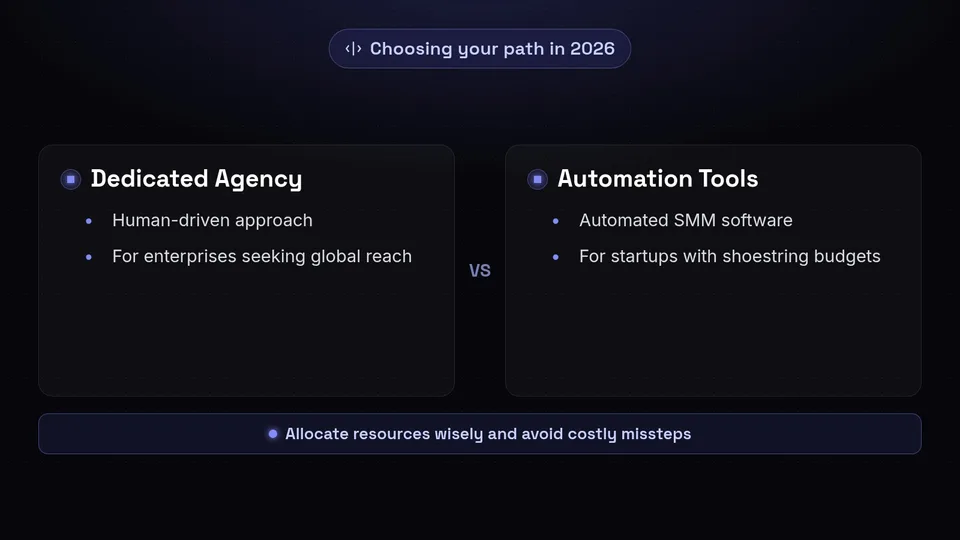
In 2026, the social media agency vs automation debate has reached a pivotal moment. Brands are no longer asking if they should be present on platforms like TikTok, LinkedIn, or Instagram; they are asking how to maximize impact while managing budgets. This article dissects the two primary paths—hiring a dedicated agency and leveraging automated smm tools—and provides a clear framework for decision‑making. Whether you are a startup with a shoestring budget or an enterprise seeking global reach, understanding the trade‑offs will empower you to allocate resources wisely and avoid costly missteps.
What Is a Social Media Agency?
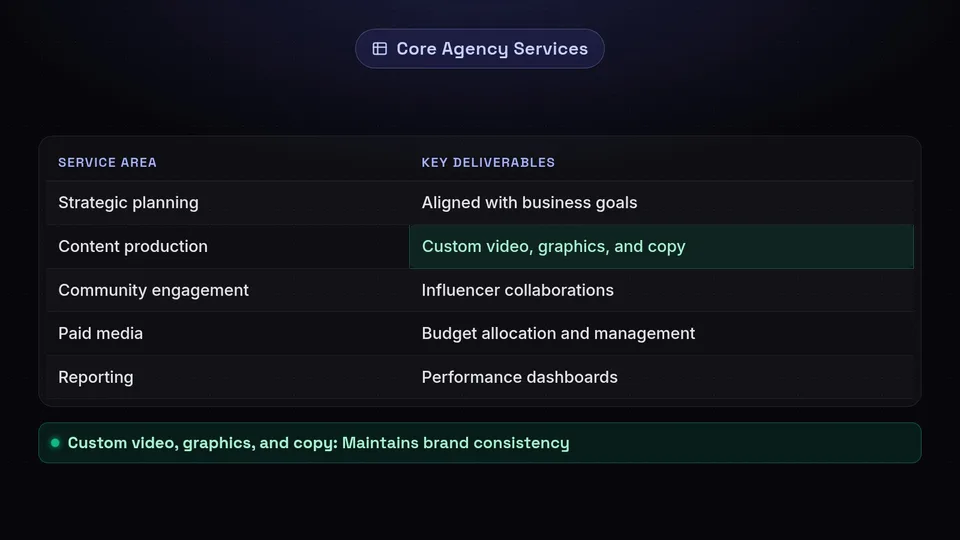
A social media agency is a team of specialists who craft, execute, and optimize your brand’s presence across multiple platforms. They typically offer services that include strategy development, content creation, community management, paid advertising, and analytics reporting. agencies often have deep expertise in platform algorithms, trend forecasting, and crisis management, which can be invaluable when you need a nuanced, human‑driven approach.
Core Services
Agency offerings usually encompass:
- Strategic planning aligned with business goals
- Custom content production (video, graphics, copy)
- Community engagement and influencer collaborations
- Paid media management and budget allocation
- Performance dashboards and monthly reporting
Typical Client Portfolio
Agencies often serve a diverse clientele, from local boutique shops to multinational corporations. Their ability to juggle multiple brand voices while maintaining consistency is a key differentiator. However, this breadth can also lead to a one‑size‑fits‑all mindset if not carefully managed.
What Is Social Media Automation?
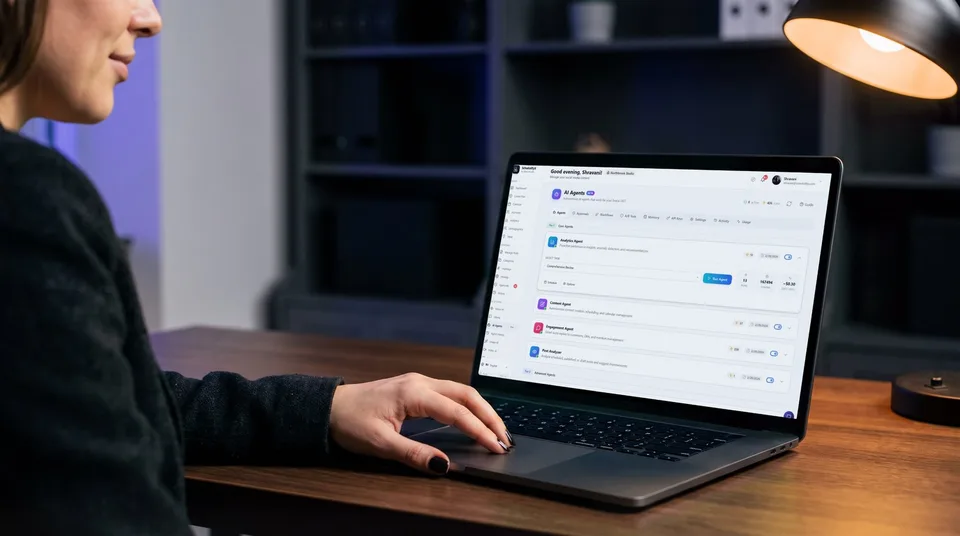
Social media automation refers to the use of software platforms—often called smm tools—to schedule posts, curate content, engage with audiences, and analyze performance without continuous manual intervention. Automation can range from simple scheduling (e.g., Buffer, Hootsuite) to advanced AI‑driven solutions that suggest optimal posting times, generate copy, and even respond to comments.
Key Features of Automation Platforms
Modern automation tools typically include:
- Queue‑based content scheduling
- AI‑generated content ideas and copy
- Social listening and sentiment analysis
- Unified inbox for comment and message management
- A/B testing capabilities for creative assets
Limitations
While automation excels at consistency and scale, it lacks the nuanced creativity and real‑time cultural awareness that human teams provide. Over‑automation can also appear robotic, alienating audiences that crave authentic interaction.
Cost Comparison
One of the most tangible ways to differentiate the two options is through a cost comparison. Agencies typically charge retainer fees ranging from $2,000 to
Automation platforms, on the other hand, often operate on a subscription model. Plans can start as low as
When you factor in hidden expenses—such as training, integration with existing CRMs, or agency‑level reporting—automation can emerge as the more cost‑effective solution for brands with steady, predictable content calendars.
Expertise and Creativity
Human expertise brings a strategic mindset that blends brand storytelling with data‑driven insights. Agencies employ copywriters, designers, and analysts who can pivot quickly when trends shift, something that static automation struggles to replicate.
However, the creative pipeline of an agency can become a bottleneck if the team is overloaded or if communication delays arise. Automation tools mitigate this by providing instant content generation, but the output may lack the emotional resonance that drives shares and conversions.
Key Takeaway: The social media agency vs automation decision often hinges on whether you prioritize bespoke creativity or operational efficiency.
Scalability and Speed
Scalability is where automation shines. Imagine needing to publish 30 posts per day across five platforms during a product launch. An agency would need to allocate additional staff or overtime, dramatically increasing costs. Automation can schedule and publish that volume with a single click, maintaining consistent timing and frequency.
Speed also extends to crisis management. Automated monitoring tools can flag spikes in negative sentiment within seconds, triggering pre‑written response templates. While an agency can craft a tailored reply, the latency between detection and response can be critical in protecting brand reputation.
Measuring ROI
Both agencies and automation platforms provide analytics, but the depth and accessibility differ. Agencies typically deliver monthly reports with visual dashboards, custom attribution models, and narrative insights. However, these reports can be delayed and may not capture real‑time fluctuations.
Automation tools often integrate directly with advertising platforms, offering granular, real‑time metrics such as cost‑per‑click, engagement rate, and conversion attribution. Advanced AI can even suggest budget reallocations based on performance trends.
To make an informed decision, you should define clear KPIs (e.g., follower growth, click‑through rate, lead generation) and align them with the reporting capabilities of your chosen solution.
When to Choose an Agency
Consider partnering with an agency if:
- Your brand requires a highly customized, storytelling‑driven strategy.
- You need expertise in platform‑specific best practices and emerging trends.
- You anticipate complex creative campaigns that involve video production, influencer collaborations, or interactive experiences.
- You lack internal bandwidth to manage day‑to‑day community engagement.
Agencies are also ideal for brands that value a long‑term partnership, where strategic alignment and cultural fit are paramount.
When to Choose Automation
Automation is the better fit when:
- You have a predictable content cadence and need to scale volume efficiently.
- Budget constraints make a retainer model unsustainable.
- You want to leverage AI‑driven insights for continuous optimization.
- Your team can dedicate time to oversee strategy while the tool handles execution.
For brands that are data‑centric and comfortable with tech‑enabled workflows, automation can deliver measurable efficiency gains and a clearer cost comparison.
The Hybrid Model
Many forward‑thinking companies adopt a hybrid approach: they retain a boutique agency for strategic planning and high‑impact creative while using automation tools for execution and monitoring. This model leverages the strengths of both sides—human insight for brand storytelling and machine efficiency for scale.
Implementation steps include:
- Engage an agency for quarterly strategy workshops.
- Select an smm tools platform that integrates with your content calendar.
- Define SOPs for content approval, publishing, and community response.
- Set up automated reporting dashboards that combine agency insights with real‑time data.
This blended workflow can reduce costs by up to 30% while preserving brand authenticity.
Actionable Tips for Making the Decision
1. Audit Your Current Workflow – Map out every step from content ideation to performance reporting. Identify bottlenecks that could benefit from automation.
2. Define Budget Ceilings – Determine the maximum you can spend on agency retainers versus tool subscriptions. Include hidden costs like training and integration.
3. Test with a Pilot – Run a small‑scale automation pilot for a month, then compare engagement metrics against a parallel agency‑managed campaign.
4. Measure Key Metrics – Track follower growth, engagement rate, click‑through rate, and ROI. Use these data points to decide which model meets your performance goals.
5. Consider a Hybrid Path – If you find value in both, allocate a modest agency budget for strategy while using automation for execution.
Conclusion
The social media agency vs automation dilemma is not a binary choice but a strategic decision that hinges on your brand’s goals, budget, and operational capacity. In 2026, the most successful marketers blend human creativity with machine efficiency, leveraging the strengths of each to maximize impact.
If you’re ready to explore a solution that combines agency‑level strategy with cutting‑edge automation, look no further than SchedulifyX. Our AI‑powered scheduling platform is designed to streamline your content pipeline while preserving brand voice, giving you the best of both worlds. Start your free trial today and see how SchedulifyX can transform your social media strategy.