YouTube Shorts vs. Instagram Reels vs. TikTok: Which Format Wins?
SchedulifyX Team · April 8, 2026
Discover the ultimate showdown between YouTube Shorts, Instagram Reels, and TikTok. Learn which short-form video platform is best for your 2026 strategy.
In the ever-evolving landscape of digital marketing, short-form video has cemented itself as the undisputed king of content. As we navigate through 2026, the battle for audience attention has never been more intense. At the forefront of this digital war are three colossal platforms: YouTube Shorts, Instagram Reels, and TikTok. For content creators, social media managers, and brands, the question is no longer whether you should be creating short-form video, but rather: where should you be posting it?
Each platform offers a unique ecosystem, distinct demographic advantages, and specialized algorithms designed to keep users scrolling. In this comprehensive guide, we will break down the strengths, weaknesses, and unique opportunities presented by YouTube Shorts, Instagram Reels, and TikTok. We will explore their algorithms, monetization options, and ultimate ROI for brands. Finally, we will show you how to streamline your cross-platform strategy using SchedulifyX.
The Rise of Short-Form Video in 2026
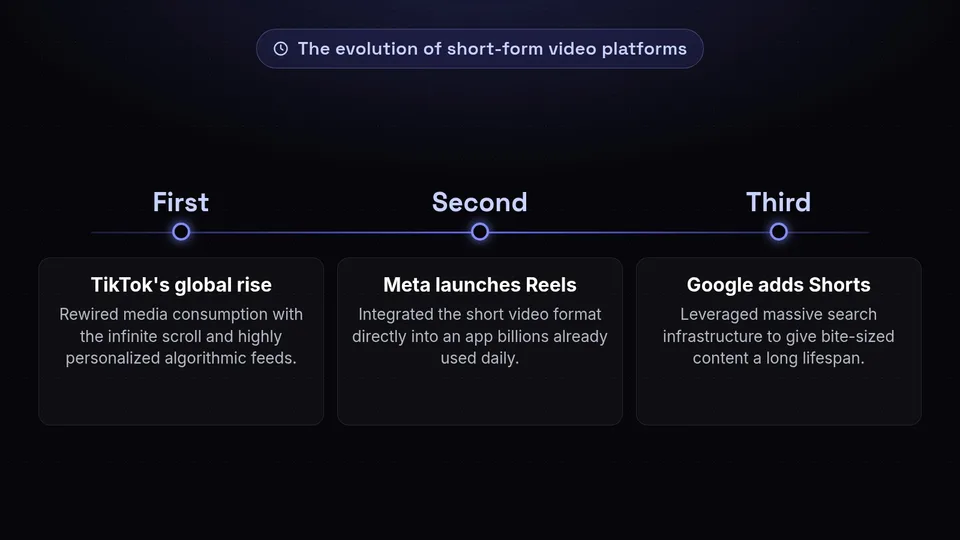
Before we pit these platforms against each other, it is crucial to understand why short-form video has become the dominant medium of our time. The shift began with the explosive global rise of TikTok, which rewired how users consume media. The concept of the 'infinite scroll' paired with hyper-personalized algorithmic feeds created a highly addictive user experience. Human attention spans have adapted; users now expect immediate hooks, rapid-fire storytelling, and high-value entertainment or education within the first three seconds of a video.
In response to TikTok's dominance, Meta launched Instagram Reels, integrating the format directly into an app that billions already used daily. Google followed suit by introducing YouTube Shorts, leveraging its massive search infrastructure to give bite-sized content an unprecedented lifespan. Today, short-form video yields the highest return on investment (ROI) of any social media marketing strategy. It drives brand awareness, facilitates viral growth, and, increasingly, serves as a direct pipeline for e-commerce sales.
"Short-form video is no longer a trend; it is the fundamental language of the modern internet. Brands that fail to speak this language risk becoming completely invisible to the next generation of consumers."
With all three platforms heavily prioritizing short vertical video, creating content is a necessity. However, understanding the nuances of YouTube Shorts, Instagram Reels, and TikTok will determine whether your content merely exists or actually thrives.
TikTok: The Cultural Trendsetter

TikTok is the platform that started the modern short-form video revolution. It is a cultural juggernaut, responsible for launching music careers, dictating fashion trends, and selling out consumer products overnight (often dubbed the 'TikTok made me buy it' phenomenon).
The Vibe: Authentic, Raw, and Unfiltered
Unlike the highly curated aesthetic of traditional Instagram, TikTok thrives on authenticity. Users prefer raw, unpolished, and relatable content. A CEO talking directly to the camera from their car often performs better than a highly produced, studio-lit commercial. The platform rewards participation in trends, sounds, and challenges.
Pros of TikTok
- Unmatched Virality: TikTok's 'For You Page' (FYP) algorithm is famous for democratizing content. You do not need a million followers to get a million views. A brand-new account can go viral overnight if the content resonates.
- High Engagement Rates: Users spend an average of over 90 minutes per day on the app. The comment sections are often as entertaining as the videos themselves, fostering deep community engagement.
- Trend Origination: Most internet trends start on TikTok before migrating to Instagram Reels and YouTube Shorts weeks later. Being on TikTok means being ahead of the curve.
Cons of TikTok
- Fleeting Lifespan: Content on TikTok has a very short shelf life. A video might go viral for 48 hours and then virtually disappear from the feed forever.
- Conversion Challenges: While TikTok is incredible for top-of-funnel brand awareness, driving users off the app to a website can be notoriously difficult compared to other platforms.
Instagram Reels: The Aesthetic Powerhouse
When Meta introduced Instagram Reels, it was initially viewed as a TikTok clone. However, it has evolved into a sophisticated, highly integrated feature within the broader Instagram ecosystem. Reels benefit from the existing social graphs users have built on Instagram over the past decade.
The Vibe: Aspirational, Educational, and Polished
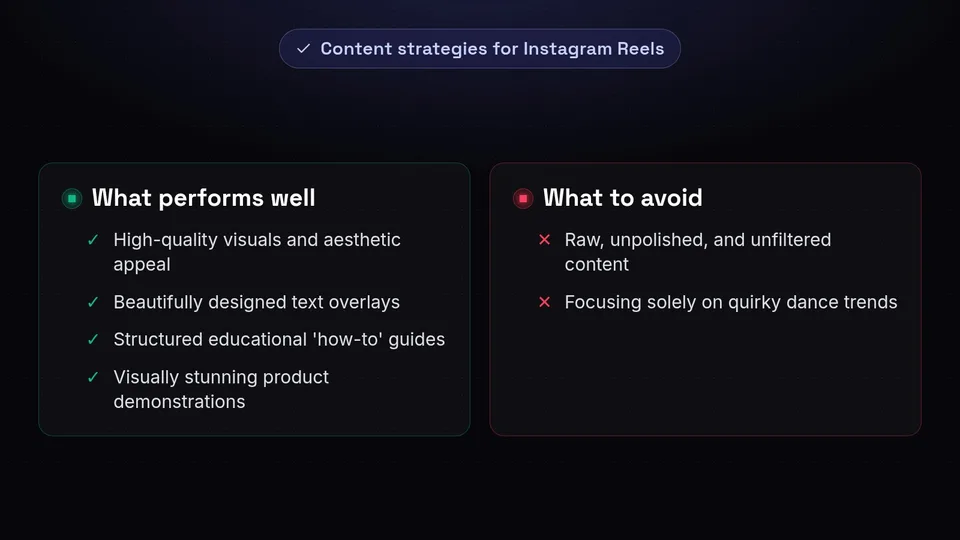
While authenticity is creeping into Instagram, the platform still leans heavily toward aspiration and aesthetic appeal. High-quality visuals, beautifully designed text overlays, and structured educational content perform exceptionally well here. Reels are less about participating in quirky dance trends and more about showcasing lifestyle, sharing 'how-to' guides, and visually stunning product demonstrations.
Pros of Instagram Reels
- Seamless Ecosystem: Reels do not exist in a vacuum. They funnel viewers directly to your Instagram profile, where you can nurture them with Stories, long-form carousel posts, and direct messages (DMs).
- Strong E-commerce Integration: Instagram is a mature platform for social commerce. Users are accustomed to shopping directly through the app, making Reels a powerful tool for bottom-of-funnel conversions.
- Millennial and Gen X Reach: While TikTok dominates Gen Z, Instagram Reels effectively capture Millennials and older demographics who may not have adopted TikTok.
Cons of Instagram Reels
- Algorithm Volatility: Meta frequently updates the Instagram algorithm, sometimes prioritizing Reels, and other times pushing carousels. This can lead to unpredictable reach.
- Lagging Trends: Many audio trends on Reels are simply recycled from TikTok, often weeks after they have peaked in popularity.
YouTube Shorts: The Evergreen Search Giant
Google's entry into the short-form video space, YouTube Shorts, has quietly become a massive powerhouse. Generating over 70 billion daily views globally, Shorts leverages the world's second-largest search engine to offer something neither TikTok nor Reels can: searchability and evergreen longevity.
The Vibe: Informative, Entertaining, and Search-Driven
YouTube Shorts is a hybrid. It features the rapid-fire entertainment of TikTok but is heavily influenced by YouTube's culture of information and deep-dive content. Creators often use Shorts as a top-of-funnel strategy to drive viewers to their long-form videos or podcast episodes. Educational snippets, fascinating facts, and highly edited storytelling thrive here.
Pros of YouTube Shorts
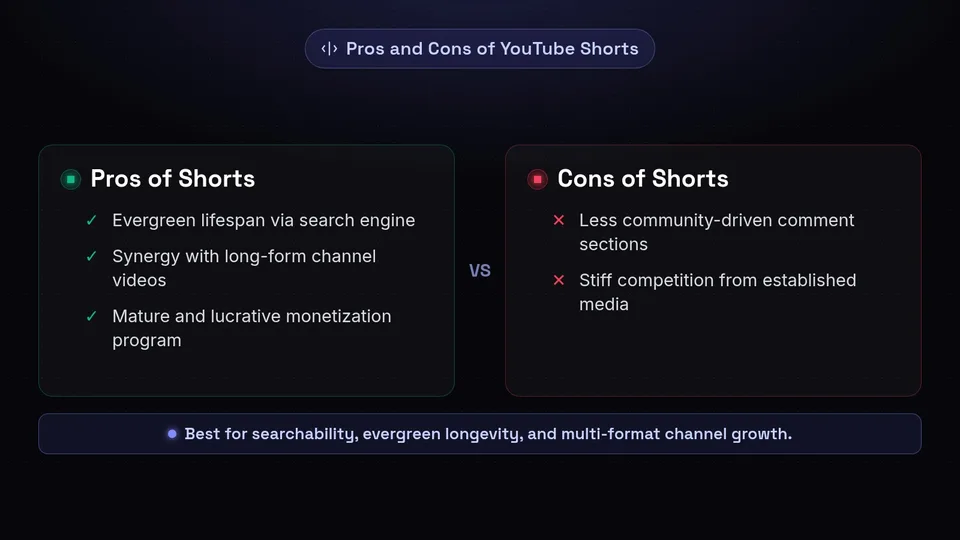
- Evergreen Lifespan: Because YouTube functions as a search engine, a well-optimized Short can continue to accumulate views months or even years after it was posted.
- Long-Form Synergy: Shorts are deeply integrated with traditional YouTube channels. A viral Short can significantly boost your long-form subscriber count, creating a robust, multi-format media empire.
- Monetization: YouTube has the most mature and lucrative monetization program (the YouTube Partner Program), allowing creators to earn a share of ad revenue directly from Shorts.
Cons of YouTube Shorts
- Community Building is Harder: The comments section on Shorts is less community-driven than TikTok. Viewers are more likely to consume the content and swipe to the next video without engaging deeply.
- Stiff Competition: You are competing not just with other short-form creators, but with clips from massive, established YouTubers and professional media companies.
Algorithm Showdown: How Content Gets Discovered
To succeed in short-form video, you must understand the invisible engines driving these platforms: their algorithms. While all three prioritize watch time and completion rate, they weigh different factors to determine what goes viral.
The TikTok Algorithm: The Interest Graph
TikTok does not care who you follow; it cares about what you watch. The algorithm maps an 'Interest Graph' based on micro-behaviors: how long you hover over a video, whether you check the comments, and if you share it. It tests your video with a small batch of users. If it performs well, it pushes it to a larger tier, and so on. Key metric: Average View Duration and Completion Rate.
The Instagram Reels Algorithm: The Social Graph
Instagram relies heavily on a 'Social Graph'. It looks at the relationships between users. If someone frequently likes your photos or replies to your Stories, they are highly likely to see your Reels. For non-followers, the Explore page algorithm looks for high engagement (saves and shares are incredibly valuable) and visual appeal. Key metric: Shares (via DM) and Saves.
The YouTube Shorts Algorithm: Search and Session Time
YouTube's algorithm focuses on 'Session Time'—keeping the user on the platform as long as possible. It also heavily indexes titles, descriptions, and tags. A Short optimized with the right keywords can rank in YouTube search results and even Google search results. Key metric: Viewed vs. Swiped Away percentage and Search Intent.
Demographics and Audience Behavior
Choosing the right platform often comes down to knowing where your target audience spends their time. A blanket approach rarely works; you must tailor your strategy to the demographics of each app.
- TikTok: Skews heavily toward Gen Z and young Millennials (ages 13-30). The audience values humor, social justice, niche subcultures, and authentic storytelling. They are highly skeptical of traditional advertising.
- Instagram Reels: A balanced mix of Millennials, Gen Z, and Gen X (ages 18-45). The audience has higher disposable income and is more receptive to lifestyle brands, luxury goods, B2B services, and polished aesthetic content.
- YouTube Shorts: The broadest demographic spread, reaching everyone from children to seniors. Because it is tied to Google, users often come with specific intent—looking to learn a skill, find a review, or be entertained by a specific creator.
Monetization, Creator Funds, and ROI
If you are investing time into short-form video, you want to know how it pays off. The monetization landscape varies wildly between the big three.
Direct Platform Payouts
YouTube Shorts is the undisputed leader here. Through the YouTube Partner Program, creators receive a 45% share of the ad revenue generated between Shorts in the feed. This provides a predictable, scalable income stream. TikTok offers the Creativity Program Beta, which pays creators for videos longer than one minute, but the RPM (revenue per mille) is notoriously inconsistent. Instagram has largely phased out its Reels Play Bonus program, focusing instead on facilitating brand partnerships.
Brand Deals and Sponsorships
Instagram Reels and TikTok tie for the lead in brand deals. Because Instagram allows for easy DM communication and linking via Stories, brands love sponsoring Reels. TikTok's Creator Marketplace makes it easy for brands to find niche creators for user-generated content (UGC) campaigns.
Business ROI
For businesses selling products or services, Instagram Reels generally provides the highest direct ROI. The integration of native shops, the ability to retarget viewers with Meta Ads, and the seamless transition from Reel to DM to Sale make it a conversion machine. YouTube Shorts is excellent for long-term lead generation, while TikTok is best for massive brand awareness campaigns.
The Verdict: Which Platform Wins?
So, in the battle of YouTube Shorts vs. Instagram Reels vs. TikTok, which format wins? The frustrating but true answer is: It depends on your goals.
- Choose TikTok if: You want explosive, rapid growth, you are targeting Gen Z, your brand voice is casual and authentic, and you want to be at the forefront of internet culture.
- Choose Instagram Reels if: You want to build a deeply engaged community, your target audience is Millennials, you rely on visual aesthetics, and your primary goal is direct sales or lead generation.
- Choose YouTube Shorts if: You want your content to have a long lifespan, you are building a long-form video channel, you want to rank in search engines, and you value direct ad revenue.
The Real Winner? An Omnichannel Strategy.
In 2026, the most successful brands and creators do not choose just one platform. They leverage the unique strengths of all three. They might film an authentic behind-the-scenes video for TikTok, polish it up with aesthetic text for an Instagram Reel, and optimize the title and description for search as a YouTube Short. This maximizes reach and ensures you are capturing audiences across the entire digital spectrum.
Managing Your Short-Form Video Strategy with SchedulifyX
While an omnichannel strategy is the key to dominating the short-form video landscape, managing content across YouTube Shorts, Instagram Reels, and TikTok can be an administrative nightmare. Downloading, re-uploading, writing different captions, and trying to post at the optimal times for each specific platform can consume hours of your day.
That is where SchedulifyX comes in.
SchedulifyX is the ultimate AI-powered social media scheduling platform designed specifically for the modern video-first creator. With our intuitive dashboard, you can upload a single short-form video and seamlessly schedule it across TikTok, Instagram Reels, and YouTube Shorts simultaneously.
Why Choose SchedulifyX?
- Auto-Publishing: No more annoying push notifications. SchedulifyX auto-publishes your video directly to all three platforms at the exact time you choose.
- AI Caption Generation: Our advanced AI analyzes your video and generates platform-specific captions. It creates trendy, hashtag-heavy copy for TikTok, polished and engaging text for Instagram, and SEO-optimized descriptions for YouTube Shorts.
- Cross-Platform Analytics: Stop jumping between apps to see how your video performed. SchedulifyX aggregates your views, likes, and watch time across all platforms into one beautiful, easy-to-read dashboard.
- Best Time to Post: Our algorithm analyzes your specific audience data to recommend the exact minute your content is most likely to go viral on each respective platform.
The battle between YouTube Shorts, Instagram Reels, and TikTok will continue to rage on, but you don't have to choose a side. By understanding the unique algorithms, demographics, and strengths of each platform, you can craft a strategy that dominates them all.
Stop wasting time doing manual uploads. Supercharge your short-form video strategy today. Sign up for SchedulifyX and start scheduling your way to viral success!