How Social Media Automation Works: The Ultimate 2026 Guide
SchedulifyX Team · April 25, 2026
Discover how social media automation works in 2026. Learn the tools, strategies, and AI-driven workflows to save time and boost engagement with SchedulifyX.
In the hyper-connected digital landscape of 2026, managing a brand's online presence manually is not just inefficient; it is nearly impossible. With new platforms emerging, algorithms constantly shifting, and audiences demanding 24/7 engagement, marketers and business owners are turning to advanced technology to keep up. But how social media automation works behind the scenes remains a mystery to many. Is it just a glorified digital calendar, or is there something more powerful driving the modern marketing machine?
In this comprehensive guide, we will pull back the curtain on social media automation. We will explore the technical mechanics, the incredible advancements brought by Artificial Intelligence in 2026, and the strategic frameworks you need to leverage these tools effectively without losing your brand's human touch. Whether you are a solo entrepreneur or managing a global enterprise team, understanding these mechanics is the key to unlocking unprecedented growth.
What is Social Media Automation?
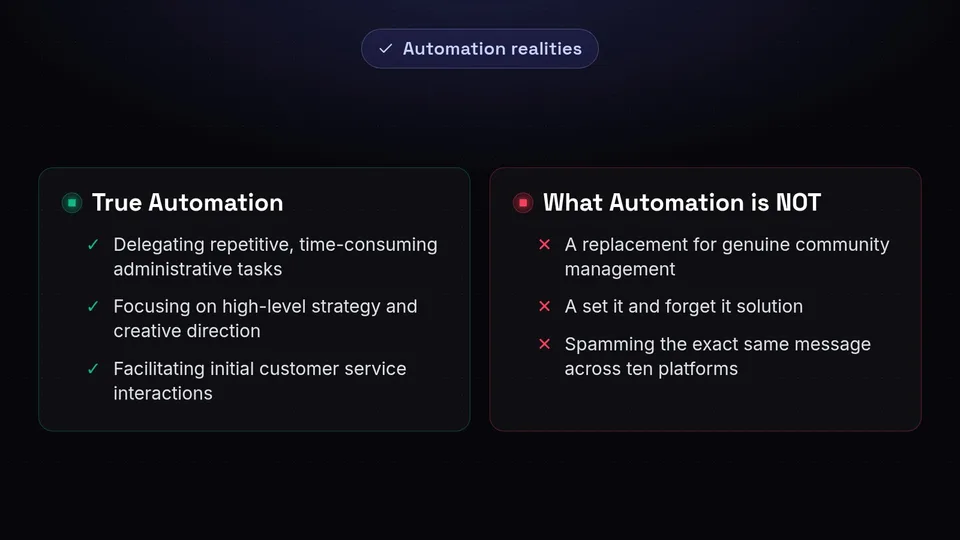
At its core, social media automation is the process of using software to execute social media tasks without human intervention. This involves scheduling posts in advance, automatically republishing popular content, generating analytics reports, and even facilitating initial customer service interactions through chatbots and automated direct messages.
However, a common misconception is that automation means completely removing the human element. This could not be further from the truth. True social media automation is about delegating repetitive, time-consuming administrative tasks to machines so that human marketers can focus on high-level strategy, creative direction, and authentic community engagement.
What Automation is NOT
- A replacement for community management: Automation tools cannot build genuine relationships or show empathy to a frustrated customer.
- A "Set It and Forget It" solution: The digital world moves fast. A post scheduled a month ago might be tone-deaf today due to current events.
- Spamming: Blasting the exact same message across ten platforms simultaneously without tailoring the context is poor practice, not smart automation.
How Social Media Automation Works: The Technical Side
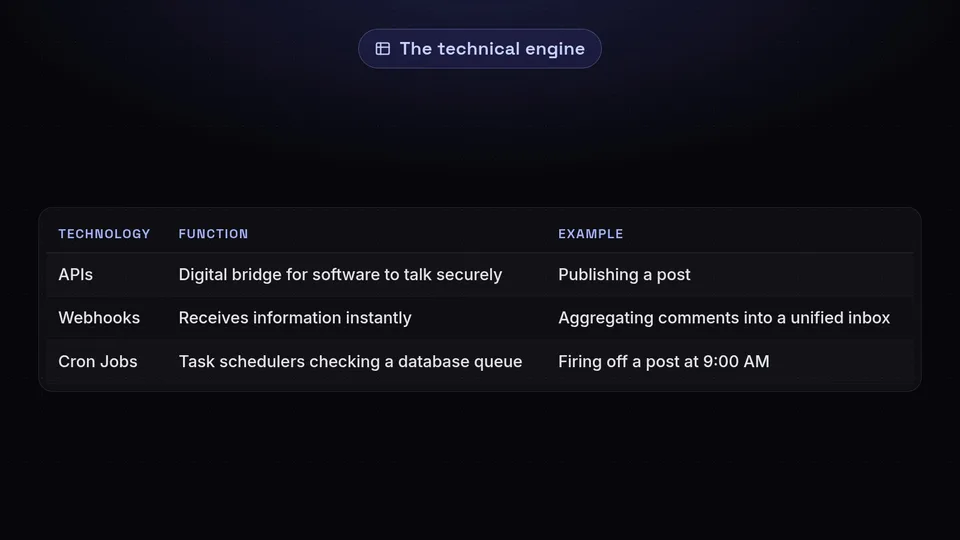
To truly understand how social media automation works, we need to look under the hood. The magic that allows platforms like SchedulifyX to post on your behalf across Instagram, LinkedIn, TikTok, X (formerly Twitter), and Facebook relies on a few core web technologies.
Application Programming Interfaces (APIs)
An API is essentially a digital bridge that allows two completely different software applications to talk to each other securely. Social networks provide official APIs to third-party developers. When you connect your social media account to an automation tool, you are granting that tool permission to send data (like your text, images, and video) through the API to the social network's servers.
The API defines strict rules about what can and cannot be done. For example, an API might allow an automation tool to publish a post, but restrict it from deleting user comments. These APIs are governed by OAuth (Open Authorization), which ensures that your password is never shared with the automation platform; instead, a secure digital token is passed back and forth.
Webhooks and Real-Time Data
While APIs are great for sending commands (like "publish this post at 3:00 PM"), webhooks are used to receive information instantly. If someone comments on your latest automated post, the social network uses a webhook to instantly notify your automation dashboard. This is what allows modern tools to aggregate all your comments and direct messages into a single, unified inbox.
Cron Jobs and Task Queues
On the server side of the automation platform, systems rely on task schedulers, historically known as cron jobs. When you schedule a post for next Tuesday at 9:00 AM, the software places that data into a massive database queue. A background worker constantly checks this queue, second by second. When the clock strikes 9:00 AM, the worker grabs your post data, formats it according to the specific social network's API rules, and fires it off.
The Evolution: What is New in 2026?
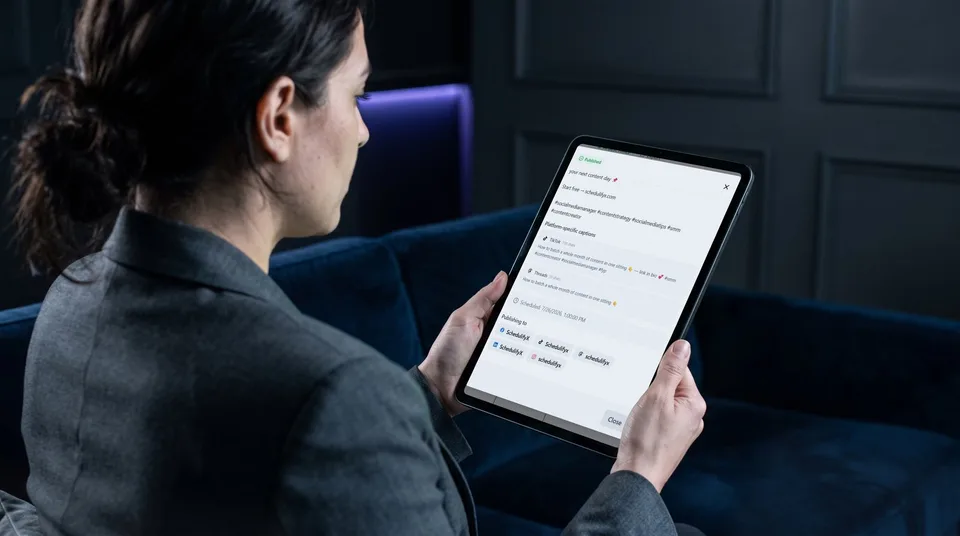
If you used social media automation tools five years ago, you might remember them as rigid, clunky digital calendars. In 2026, the landscape has been completely revolutionized by the integration of advanced Artificial Intelligence and machine learning.
Generative AI Integration
Modern platforms do not just publish your content; they help you create it. Generative AI models are now deeply embedded into the scheduling workflow. You can input a simple prompt, and the platform will generate platform-specific captions, suggest relevant hashtags, and even generate accompanying images or short-form video scripts. This dramatically reduces the friction from ideation to publication.
Predictive Analytics and Dynamic Scheduling
Gone are the days of guessing the "best time to post." In 2026, automation tools use predictive AI to analyze your specific audience's historical online behavior. The system dynamically adjusts your publishing schedule, ensuring that a post goes live at the exact micro-moment your target demographic is most active, maximizing early engagement signals that boost algorithmic reach.
Omnichannel Personalization
Automation now understands context. Instead of cross-posting the exact same message everywhere, AI-driven automation tools automatically tailor the tone, length, and format of a single piece of content for different networks. A long-form thought leadership piece for LinkedIn is automatically summarized into a punchy thread for X and a visually driven carousel script for Instagram.
Key Components of an Automated Workflow
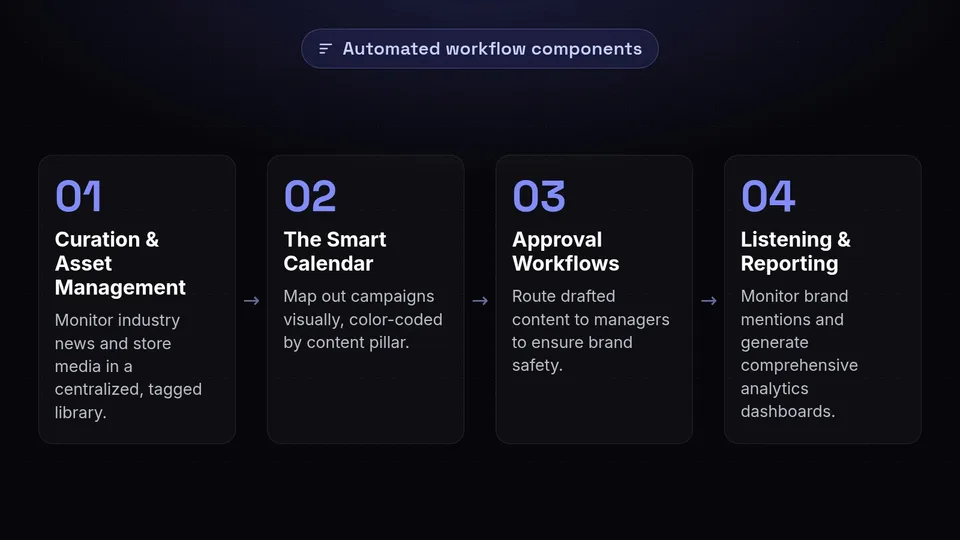
To fully leverage how social media automation works, you need to implement a comprehensive workflow. Here are the core components of a successful automated strategy in 2026:
- Content Curation and Ideation: Using AI to monitor industry news, trending topics, and competitor strategies to suggest what you should post about next.
- Asset Management: A centralized media library where images, videos, and graphics are stored, tagged, and easily accessible for scheduling.
- The Smart Calendar: A visual drag-and-drop interface where campaigns are mapped out weeks or months in advance, color-coded by content pillar (e.g., educational, promotional, entertaining).
- Approval Workflows: Automated routing systems that send drafted content to managers or clients for approval before it goes into the live queue, ensuring brand safety.
- Social Listening: Automated monitoring of brand mentions, specific keywords, and sentiment analysis across the web to gauge public perception without manual searching.
- Automated Reporting: The generation of comprehensive analytics dashboards that pull data from all platforms to calculate ROI, engagement rates, and follower growth automatically.
The Benefits of Automating Your Social Media
Understanding the mechanics is one thing, but realizing the tangible business benefits is what drives adoption. Here is why automating your social media is non-negotiable in 2026.
Massive Time Savings
The average social media manager spends hours each week simply logging in and out of native platforms, uploading media, and typing out captions. Automation consolidates this into a single dashboard. By batch-creating and scheduling content, teams can reclaim up to 15-20 hours a week—time that can be redirected toward strategic planning and community building.
Maintaining Unwavering Consistency
Every major social media algorithm in 2026 rewards consistency. Brands that post regularly and reliably are favored over those that post sporadically. Automation ensures your content pipeline never dries up, even on weekends, holidays, or when your social media manager is out sick.
Global Reach Across Time Zones
If your business is based in New York but you have a massive audience in Tokyo and London, manual posting requires you to be awake at all hours of the night. Automation allows you to maintain a localized presence in multiple global markets simultaneously, engaging users when they are awake and active.
Data-Driven Decision Making
Automated reporting removes the human error and bias from data analysis. By automatically aggregating metrics across all platforms, you get a clear, objective view of what is working and what isn't, allowing you to pivot your strategy with agility.
Best Practices for Social Media Automation
While the technology is incredibly powerful, it must be wielded correctly. To get the most out of your automation efforts, follow these industry best practices.
1. Use the 80/20 Rule for Content
When queuing up your automated posts, ensure your content mix is balanced. Roughly 80% of your scheduled content should be designed to educate, entertain, or inspire your audience. Only 20% should be directly promotional. Automation makes it easy to visualize this balance on your calendar.
2. Keep a Human in the Loop
Never let your automation run completely unchecked. Designate time every single day to log into your dashboard to respond to comments, engage with other users' content, and review your upcoming scheduled posts to ensure they are still relevant given the daily news cycle.
3. Tailor Content to the Platform
Just because you can push the same post to every network with one click doesn't mean you should. Use your automation tool's customization features to adjust image aspect ratios, tweak the copy, and modify hashtags to fit the unique culture of each specific platform.
4. A/B Test Automatically
Leverage the AI capabilities of modern tools to run automated A/B tests. Schedule two variations of a post with different headlines or images. The automation platform can monitor early engagement and automatically boost or republish the winning variation.
Common Pitfalls to Avoid
"The greatest danger in times of turbulence is not the turbulence; it is to act with yesterday's logic." - Peter Drucker
Applying outdated automation strategies in 2026 can severely damage your brand's reputation. Beware of these common traps:
- The "Tone-Deaf" Auto-Post: Failing to pause your automation queue during a global crisis, national tragedy, or major industry disruption. Always have an "emergency pause" protocol.
- Automating Customer Service Too Heavily: While chatbots are great for FAQs, forcing a frustrated customer through an endless loop of automated responses without an "escalate to human" option will result in public backlash.
- Ignoring Native Features: Social networks constantly release new features (like new sticker types or interactive polls) that third-party APIs might not support immediately. Do not rely 100% on automation; occasionally post natively to take advantage of algorithm-boosting new features.
How SchedulifyX Takes Automation to the Next Level
Now that you know exactly how social media automation works, it is time to choose a platform built for the future. SchedulifyX is not just a scheduling tool; it is an AI-powered social media command center designed specifically for the demands of 2026.
With SchedulifyX, you get access to a suite of next-generation features:
- AI Content Alchemist: Input a single blog post URL, and SchedulifyX's AI will automatically generate a month's worth of diverse social posts, complete with custom graphics and optimized captions.
- Predictive Engagement Engine: Our proprietary algorithm analyzes millions of data points to tell you not just when to post, but what format (video, carousel, text) will perform best at that specific time.
- Unified Smart Inbox: Never miss a comment or DM. SchedulifyX aggregates all your interactions and uses sentiment analysis to highlight urgent customer service issues that require immediate human attention.
- Seamless Approval Workflows: Built-in collaboration tools make it incredibly easy for agencies and large teams to draft, review, and approve content without ever sending a single spreadsheet or email.
Conclusion
Understanding how social media automation works is the first step toward transforming your digital marketing strategy. By automating the repetitive technical tasks—from API communications to data aggregation—you free up your most valuable resource: human creativity. In 2026, the brands that win are the ones that use AI and automation to scale their operations while using their human talent to foster genuine, authentic connections.
Are you ready to stop working in your social media and start working on your social media strategy? Do not let manual posting hold your brand back any longer. Start your free trial of SchedulifyX today and experience the future of AI-powered social media automation.