The Social Commerce Revolution in 2026: A Complete Strategic Guide
SchedulifyX Team · July 6, 2026
Discover how social commerce in 2026 is reshaping retail. Learn to leverage TikTok Shop, Instagram Checkout, and live shopping trends to skyrocket sales.
The landscape of digital retail has undergone a seismic shift. We are no longer simply using social media to discover products; we are using it to buy them, instantly and seamlessly. Welcome to the social commerce 2026 landscape, a multi-trillion-dollar ecosystem where entertainment and purchasing are inextricably linked. For brands, marketers, and creators, understanding this revolution is no longer optional—it is the baseline for survival in the modern economy.
In this comprehensive guide, we will dissect the anatomy of social media shopping today. From the algorithmic dominance of TikTok Shop to the aesthetic-driven conversions of Instagram Checkout, and the unstoppable rise of live shopping trends, we will explore exactly how consumers are spending their money. More importantly, we will provide actionable strategies on how your brand can capitalize on in-app purchasing, streamline your content delivery, and maximize ROI using AI-powered tools like SchedulifyX.
Understanding the Social Commerce Revolution in 2026
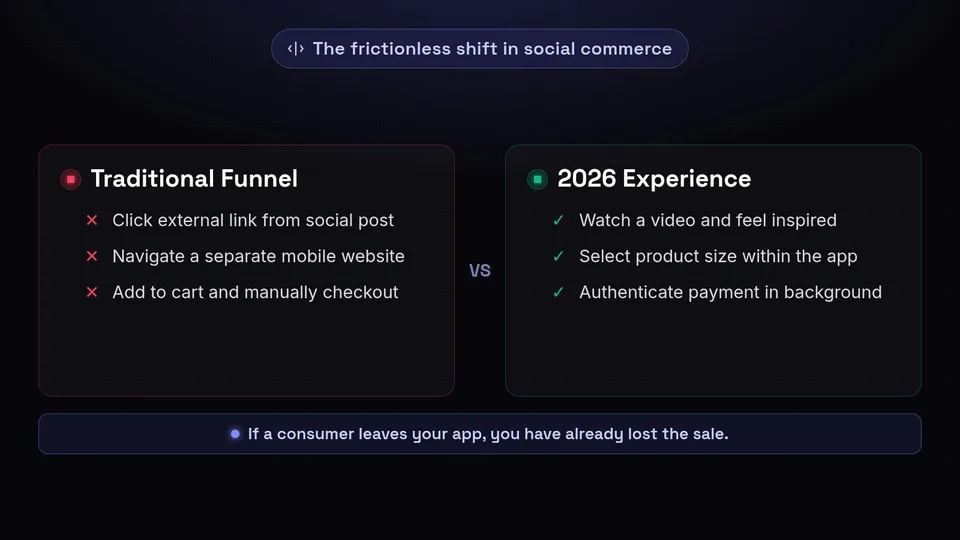
To truly grasp the magnitude of the social commerce 2026 phenomenon, we must look at how consumer behavior has evolved over the past half-decade. The traditional e-commerce funnel—awareness on social media, clicking a link, navigating a mobile website, adding to cart, and finally checking out—was riddled with friction. Every extra click was an opportunity for cart abandonment.
Today, the paradigm has shifted from "going shopping" to "always shopping." Social media platforms have transformed into closed-loop retail ecosystems. Users can watch a video, feel inspired, select their size, and authenticate a payment using facial recognition—all without ever pausing the video playing in the background. This frictionless environment is the cornerstone of modern social media shopping.
The Data Behind the Shift
Industry analysts project that global social commerce sales will surpass $3.5 trillion by the end of 2026. This exponential growth is driven by Gen Z and Millennials, who now treat social platforms as their primary search engines and retail destinations. But it is not just younger demographics; Gen X and Boomers have rapidly adopted in-app purchasing, driven by improved security features and intuitive user interfaces.
"The social commerce revolution in 2026 is defined by the absolute elimination of friction. If a consumer has to leave your app to buy your product, you have already lost the sale." - Retail Tech Insights, 2026
This revolution is characterized by three main pillars: content-driven discovery, community-validated trust, and instantaneous transaction. Let us explore the platforms leading this charge.
TikTok Shop: The Engine of Viral Commerce

If there is one platform that defines the current era of social commerce, it is TikTok Shop. What began as an experimental feature has evolved into a retail juggernaut, fundamentally altering how products go viral and get sold. TikTok has successfully merged its hyper-addictive "For You" algorithm with a robust e-commerce backend.
The Algorithmic Advantage
Unlike traditional platforms where follower count dictates reach, TikTok's content graph ensures that any product can go viral if the content resonates. TikTok Shop leverages this by placing shoppable anchor links directly on videos. When a user sees a creator demonstrating a viral lip gloss or a revolutionary kitchen gadget, the "Shop" button pulses right above the caption. The impulse to buy is captured at the exact moment of peak emotional engagement.
The Creator Affiliate Network
One of the most powerful features of TikTok Shop in 2026 is its integrated affiliate marketplace. Brands no longer need to spend weeks negotiating contracts with influencers. Instead, they can list their products in the TikTok Shop Affiliate Center, set a commission rate, and allow thousands of creators to generate content and sell on their behalf.
- Micro-Influencer Power: Creators with just a few thousand followers often drive the highest conversion rates because of their hyper-engaged, niche audiences.
- User-Generated Content (UGC) at Scale: Brands receive a constant stream of authentic video reviews, which serve as highly effective social proof.
- Performance-Based Marketing: Brands only pay when a sale is made, dramatically improving Return on Ad Spend (ROAS).
Strategies for TikTok Shop Success
To dominate TikTok Shop, brands must lean into "Shoppertainment"—content that is entertaining first and commercial second. Highly polished, traditional commercials fail here. Instead, lean into trends, use native text-to-speech features, and participate in challenges. Consistency is key, which is why utilizing a platform like SchedulifyX to maintain a steady cadence of TikTok content is vital for keeping the algorithm fed and the sales flowing.
Instagram Checkout: Seamless Aesthetics Meet Instant Gratification
While TikTok focuses on raw, viral energy, Instagram has perfected the art of aspirational, aesthetic-driven commerce. Instagram Checkout has matured significantly by 2026, becoming the gold standard for fashion, beauty, lifestyle, and luxury brands.
The Power of Visual Merchandising
Instagram is essentially a limitless digital catalog. With Instagram Checkout, the platform allows users to buy products directly from posts, Reels, and Stories without ever being redirected to a browser. This is critical because Instagram's user base values premium experiences. The moment a user is forced to wait for a slow-loading external website, the illusion is broken.
Exclusive Drops and FOMO
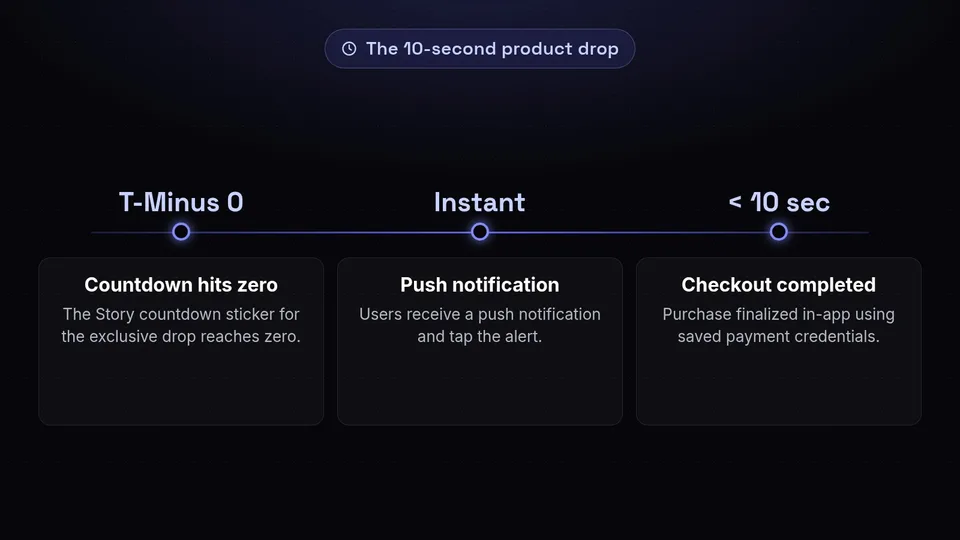
Instagram Checkout is particularly effective for "drop culture." Brands use countdown stickers in Stories to build anticipation for a limited-edition product release. When the countdown hits zero, users receive a push notification, tap the alert, and can complete the purchase via Instagram Checkout in under ten seconds using saved payment credentials like Meta Pay or Apple Pay.
Leveraging Reels for Discovery
Reels remain Instagram's primary growth engine. By tagging products directly in Reels, brands can tap into the explore page's massive reach. The integration of AI in 2026 means Instagram's algorithm is incredibly adept at showing shoppable Reels to users with a high propensity to buy specific product categories.
To succeed with Instagram Checkout, brands must maintain a cohesive visual identity while optimizing their product catalog for mobile viewing. High-resolution images, multiple angles, and clear, concise product descriptions are non-negotiable. Planning out a visually stunning grid and coordinating Story drops is effortless when you use a visual planner like SchedulifyX.
Live Shopping Trends: The Interactive Digital Storefront
If you want to understand the future of retail, look at live shopping trends. What was once seen as a predominantly Asian market phenomenon has firmly taken root globally in 2026. Live shopping combines the urgency of live television with the interactivity of social media and the convenience of e-commerce.
Why Live Shopping Converts
Live shopping bridges the gap between digital convenience and physical retail intimacy. During a live stream, a host—whether it is a brand founder, an influencer, or a specialized live-commerce presenter—can demonstrate products in real-time, answer viewer questions instantly, and overcome purchasing objections on the spot.
- Real-Time Engagement: Viewers can ask, "Can you show what the fabric looks like up close?" or "Is this true to size?" and get an immediate answer. This builds immense trust.
- Gamification and Urgency: Live shopping events often feature flash sales, limited-time discount codes, and exclusive bundles that are only available while the stream is live. This creates a powerful sense of urgency (FOMO).
- Community Building: Viewers interact not just with the host, but with each other in the chat, creating a shared shopping experience that mimics going to the mall with friends.
Leading Platforms for Live Shopping
TikTok LIVE and Instagram Live are the dominant players, but YouTube and Pinterest have also integrated robust live shopping features. In 2026, we are seeing the rise of multi-host streams, where a brand account co-hosts with a popular creator, merging their audiences for massive reach.
Executing a Profitable Live Stream
Preparation is everything. A successful live stream requires a run-of-show, high-quality audio and lighting, and a reliable inventory management system to handle sudden spikes in orders. Promoting the live event days in advance across all your social channels is crucial. SchedulifyX allows you to automate your promotional posts, ensuring your audience knows exactly when to tune in.
Shoppable Posts: Turning Every Pixel into a Point of Sale
Beyond dedicated shops and live streams, the everyday content you post must also be optimized for conversion. Shoppable posts are the bread and butter of social media shopping. Whether it is a static image on Pinterest, a carousel on Instagram, or a short-form video on YouTube Shorts, every piece of content should offer a path to purchase.
The Anatomy of a Perfect Shoppable Post
Creating a shoppable post that actually converts requires a delicate balance between organic storytelling and clear commercial intent. Here are the elements of a high-converting shoppable post in 2026:
- The Hook: The first three seconds of a video or the first image in a carousel must capture attention immediately. Address a pain point, showcase a stunning aesthetic, or start with a bold statement.
- Seamless Integration: The product tag should feel like a natural extension of the content, not an intrusive ad. If you are posting a recipe video, tag the specific blender you used.
- Clear Value Proposition: Why should the user buy this *right now*? Highlight benefits, not just features.
- Strong Call to Action (CTA): Do not assume the user knows what to do. Include verbal and text CTAs like "Tap the link on the video to get yours" or "Shop the look via the icon below."
User-Generated Content as Shoppable Assets
In 2026, brands are increasingly requesting permission to turn customer UGC into shoppable ads. When a real customer posts a glowing review, brands can amplify that post, add a product tag, and run it as a targeted ad. This strategy consistently outperforms highly produced studio content because it possesses native authenticity.
How Brands Can Capitalize on In-App Purchasing
Understanding the platforms and formats is only half the battle. To truly capitalize on the social commerce 2026 revolution, brands must optimize their internal operations to support in-app purchasing. The goal is to make the journey from discovery to delivery as frictionless as the checkout process itself.
1. Optimize Your Product Feed
Your social commerce success relies entirely on your product catalog data. Ensure your inventory management system syncs flawlessly with Meta, TikTok, and Pinterest. Product titles should be descriptive, prices must be accurate, and inventory levels must update in real-time to prevent overselling. High-quality variants (color, size) should be easily selectable within the app.
2. Master Social Customer Service
When customers buy on social media, they expect customer service on social media. If a user buys through Instagram Checkout, they will likely DM your Instagram account for order updates or return inquiries. Brands must integrate their social inboxes with their CRM systems. Fast, helpful responses in DMs are critical for retaining social shoppers and turning them into repeat buyers.
3. Leverage Micro-Targeting and Retargeting
The beauty of in-app purchasing is the wealth of first-party data it generates. Platforms know exactly who watched your video, who clicked the product tag, who added to cart, and who abandoned it. Use this data to run highly specific retargeting campaigns. For example, offer a 10% discount code via a targeted ad to users who abandoned their TikTok Shop cart.
4. Embrace Dynamic Pricing and Bundling
Social shoppers love a deal. Experiment with dynamic pricing during live streams or create exclusive "social-only" product bundles. Offering a slightly better price on TikTok Shop compared to your main website can incentivize users to complete the purchase in-app, boosting your algorithmic ranking on the platform.
The Role of AI in Scaling Social Commerce
You cannot discuss the 2026 retail landscape without addressing Artificial Intelligence. AI is the invisible engine powering the social commerce revolution, enabling brands to scale their efforts without proportionally increasing their headcount.
Predictive Analytics for Trend Spotting
AI tools can analyze millions of social data points to predict which products are about to go viral. Brands can use this information to adjust their inventory, ramp up production, or pivot their marketing strategies before a trend peaks.
Automated Content Scheduling and Optimization
Managing multiple social storefronts across TikTok, Instagram, Pinterest, and YouTube requires a meticulous content calendar. Posting at the exact right time when your specific audience is online and ready to buy is crucial. This is where AI-driven scheduling platforms become indispensable.
Personalized Shopping Experiences
AI algorithms on social platforms now offer hyper-personalized product recommendations. But brands can also use AI chatbots in their DMs to act as virtual personal shoppers, guiding users to the right product variant and sending them a direct checkout link.
Conclusion: Future-Proof Your Strategy with SchedulifyX
The social commerce 2026 revolution is not a fleeting trend; it is the new standard of retail. Consumers demand the ability to discover, evaluate, and purchase products seamlessly within their favorite social apps. Whether you are harnessing the viral velocity of TikTok Shop, leveraging the visual appeal of Instagram Checkout, or engaging communities through live shopping trends, the mandate is clear: reduce friction and increase engagement.
However, managing a comprehensive social commerce strategy across multiple platforms requires immense coordination. You need to post consistently, analyze performance data, and engage with your audience at scale. You cannot do this manually and expect to stay ahead of the competition.
This is where SchedulifyX comes in. As an AI-powered social media scheduling platform, SchedulifyX is designed to be the command center for your social commerce operations. With SchedulifyX, you can:
- Automate Your Shoppable Posts: Schedule your TikToks, Reels, and carousels across all platforms from one intuitive dashboard.
- Optimize Posting Times: Let our AI analyze your audience data to automatically publish your content when your followers are most active and ready to buy.
- Analyze Commerce Metrics: Track engagement, click-through rates, and overall performance to refine your social media shopping strategy continually.
Do not let the social commerce revolution pass you by. Equip your brand with the tools needed to turn followers into loyal customers. Sign up for SchedulifyX today and transform your social media presence into a high-converting, 24/7 digital storefront.